

Sustainable Upcycling: Vintage Denim & Vintage Khadi



Sustainability in fashion is no longer a niche concern—it is a driving force behind some of the most innovative design today. One of the most compelling expressions of this movement is the upcycling of two seemingly unrelated fabrics: vintage denim and vintage khadi. Denim, the quintessential American workwear fabric, carries connotations of rugged durability and countercultural cool. Khadi, the handspun, handwoven cloth championed by Mahatma Gandhi, symbolizes self‑reliance, simplicity, and India’s freedom struggle. Together, they form an unlikely yet powerful partnership, creating garments that are at once deeply meaningful and aesthetically arresting.
The process begins with sourcing. Vintage denim—often decades old, with natural fades, frayed edges, and a history of wear—is prized for its character. Similarly, vintage khadi, sourced from discarded sarees, dhotis, or yardage, carries the imperfections and textures of handweaving. Designers deconstruct these materials and reassemble them into new creations: patchwork jackets where khadi panels replace denim sections, jeans with intricate Kantha embroidery covering faded knees, or shirts that combine denim pockets with khadi bodies. The result is a garment that is truly one‑of‑a‑kind, bearing the marks of both its previous life and the artisan who reimagined it.
This approach is fundamentally anti‑fast‑fashion. Each piece requires labor‑intensive work—sorting, washing, cutting, stitching—and celebrates visible mending techniques like sashiko, darning, and appliqué. Rather than hiding repairs, designers highlight them, turning wear and tear into design features. Raw edges, contrasting thread colors, and asymmetrical patchwork are embraced as aesthetic choices, reflecting the Japanese philosophy of wabi‑sabi (beauty in imperfection).
The aesthetic appeal of this trend lies in its eclecticism. A jacket made from indigo‑dyed khadi patches and faded denim has a textured, layered look that pairs effortlessly with everything from white kurtas to black trousers. Jeans upcycled with Ikat inserts offer a subtle yet distinctive nod to Indian textile traditions. The color palette is naturally earthy—indigos, browns, beiges, and muted reds from vegetable dyes—making these pieces versatile wardrobe staples.
Beyond aesthetics, the trend carries profound ethical weight. By repurposing discarded textiles, designers reduce the demand for new raw materials, lower water and energy consumption, and divert waste from landfills. They also create employment for artisans skilled in hand‑embroidery and tailoring, often in rural areas. Many brands practicing this model are transparent about their supply chains, emphasizing fair wages and slow production cycles.
Consumer response has been enthusiastic, particularly among younger buyers who value individuality and environmental responsibility. A vintage denim‑khadi jacket becomes a statement of values as much as style; it signals a rejection of disposable fashion and an appreciation for craft. Social media has amplified this, with influencers showcasing the unique details of their upcycled pieces, turning them into coveted conversation starters.
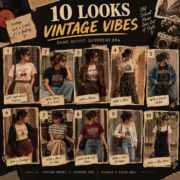
Looking forward, the marriage of vintage denim and vintage khadi is likely to inspire broader applications. We are already seeing upcycled accessories—bags made from denim scraps lined with khadi, patchwork bucket hats, and even footwear incorporating recycled textiles. As technology improves traceability and consumers become more educated about fashion’s environmental impact, this trend is poised to move from the avant‑garde to the mainstream. It represents a future where fashion is not just about newness, but about narrative, longevity, and respect for both material and maker.

