

Prairie Meets Phulkari: Romantic Boho‑Ethnic

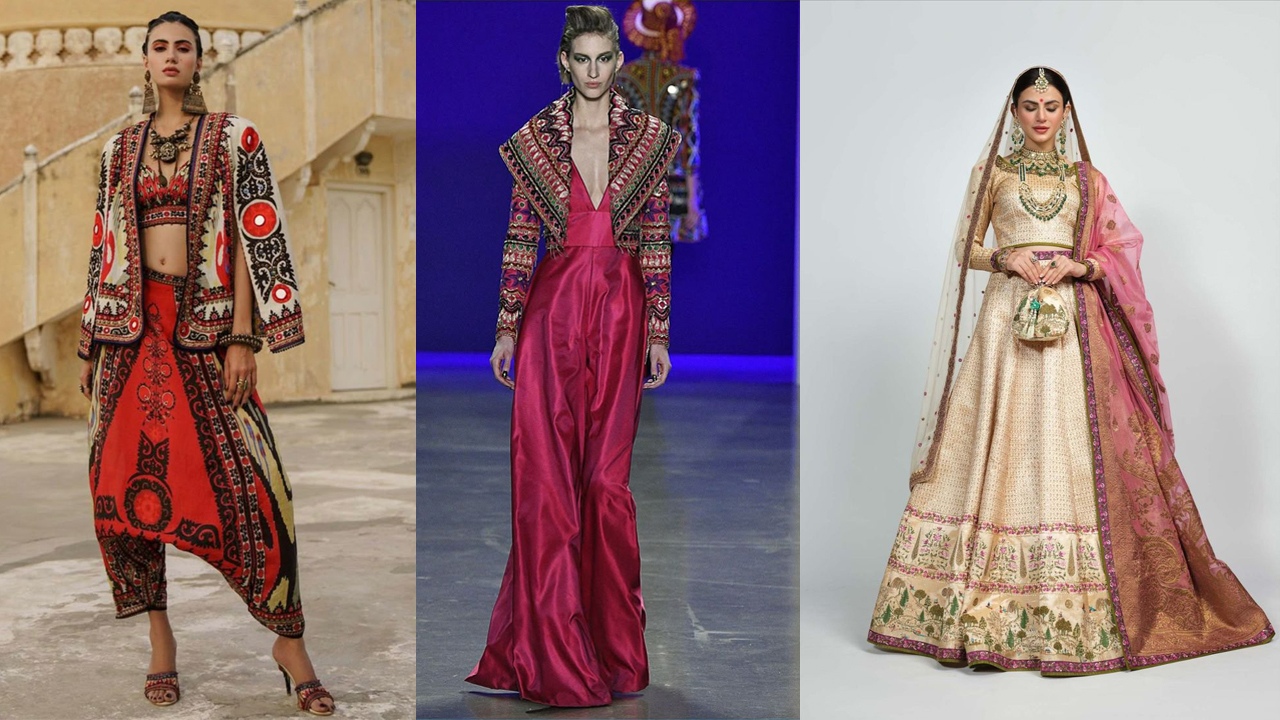

At the intersection of Victorian nostalgia and Punjabi exuberance lies one of the most enchanting fusion trends in contemporary fashion: the marriage of Western prairie aesthetics with the vibrant folk embroidery of Phulkari. This trend has captured the imagination of festival‑goers, destination wedding attendees, and anyone drawn to a look that feels simultaneously romantic, free‑spirited, and deeply rooted in craft. It is a celebration of contrasts—structured corsets against billowing skirts, muted base fabrics against bursts of orange and pink thread work, and the silhouette of a prairie dress infused with the energy of North Indian tradition.
The prairie dress, with its puffed sleeves, corseted bodice, and floor‑length skirt, has been a staple in Western bohemian fashion for years. Its appeal lies in its romanticism—a nod to 19th‑century rural America, often associated with simplicity and pastoral beauty. By incorporating Phulkari, a traditional embroidery technique from Punjab characterized by geometric floral motifs in vibrant silks, designers transform these dresses into something entirely new. The dense, colorful stitching becomes the focal point, turning a demure dress into a bold statement piece.
This fusion extends beyond dresses. Corsets embroidered with Phulkari are being paired with flowing maxi skirts or layered over crisp white shirts. Prairie blouses with ruffled necklines are being worn with traditional lehengas, blending the structured with the fluid. For men, the trend translates into embroidered vests or kurtas with prairie‑influenced detailing like ruffled cuffs or gathered yokes. The common thread is the use of traditional embroidery techniques to add texture, color, and cultural narrative to Western silhouettes.
Fabric choices lean toward lightweight cottons, linens, and organzas—materials that suit India’s warm climate and enhance the airy quality of prairie styles. The color palette is often grounded in natural, earthy tones—cream, rust, sage, and indigo—against which the bright pinks, oranges, and yellows of Phulkari pop dramatically. This combination feels organic rather than jarring, as if the two traditions were always meant to coexist.
Styling this trend requires a delicate balance. Because the embroidery is often bold, accessories are kept minimal—perhaps layered silver jewelry, a simple leather belt, or embroidered flats. Hair is usually styled in loose waves or braids, reinforcing the bohemian vibe. The overall look is one of effortless romance, suitable for daytime mehndi ceremonies, garden weddings, or music festivals where a relaxed yet polished appearance is desired.
What makes this trend particularly meaningful is its impact on traditional crafts. Phulkari, once an integral part of Punjabi household tradition, saw a decline with urbanization. By incorporating it into globally appealing silhouettes, designers are creating new markets for this craft, encouraging its preservation. Many contemporary labels work directly with women’s cooperatives in Punjab to produce Phulkari panels that are then integrated into prairie‑style garments, ensuring that the craft remains economically viable.
The prairie‑meets‑Phulkari trend also speaks to a larger desire for clothing that tells a story. In an era of fast fashion, consumers increasingly seek pieces that connect them to heritage, to place, to the hands that made them. A Phulkari‑embroidered prairie dress is not just a garment; it is a bridge between cultures, a conversation starter, and a celebration of artisanal skill. As global fashion continues to embrace cross‑cultural dialogue, this romantic fusion is likely to inspire further explorations of how traditional crafts can find new life in unexpected silhouettes.

