

The Neo‑Sherwani: Sculptural Menswear

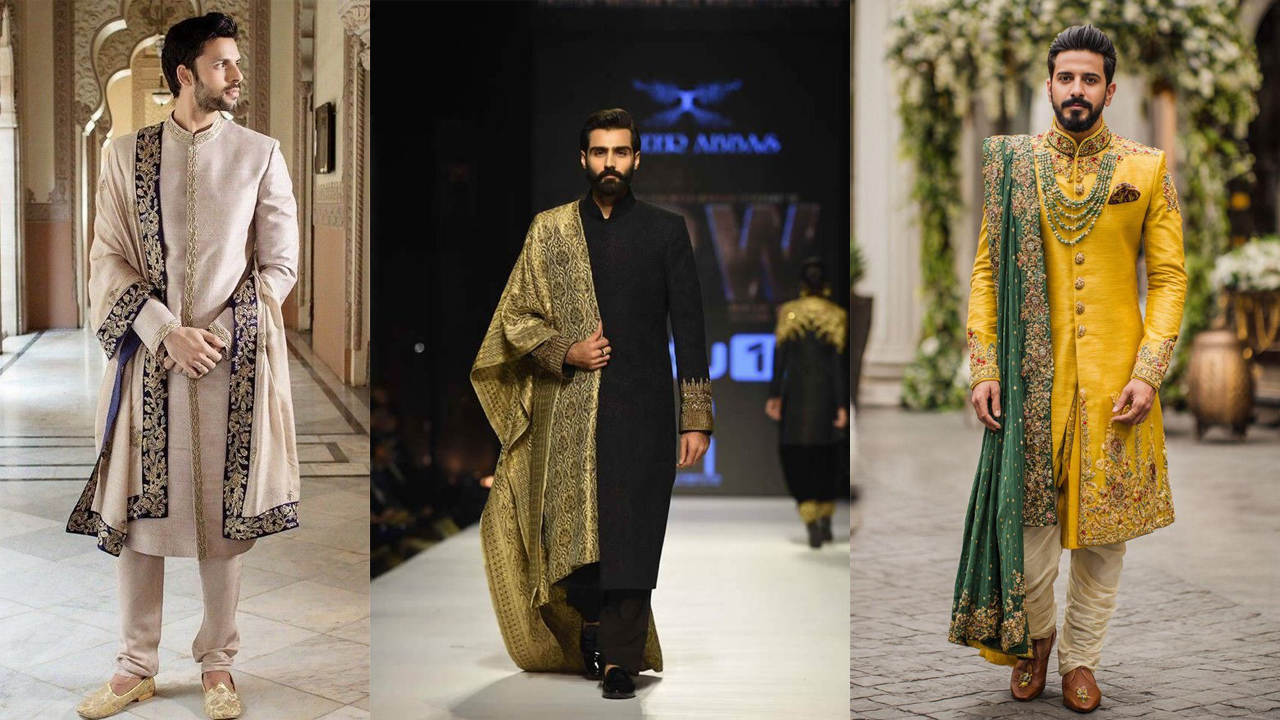

Indian menswear is undergoing a transformation as profound as the one women’s fashion experienced a decade ago. Leading this change is the neo‑sherwani—a reimagined version of the traditional sherwani that abandons heavy embellishment in favor of sculptural forms, precise tailoring, and minimalist elegance. This is menswear as architecture: clean lines, structured shoulders, unexpected silhouettes, and a focus on fabric texture rather than surface ornamentation. The neo‑sherwani appeals to a new generation of men who seek sophistication that is understated yet unmistakably ceremonial.
The most striking difference between the neo‑sherwani and its traditional predecessor is the tailoring. Where classic sherwanis often featured flared cuts and loose fits, the neo‑sherwani embraces Western tailoring techniques—peaked lapels, well‑defined shoulders, and a nipped waist that creates a V‑shaped torso. Lengths vary; some versions stop at the knee, others are cropped to the hip, and some feature asymmetric hems that add a contemporary edge. Lapels can be notched, shawl, or even replaced with mandarin collars, depending on the desired formality.
Fabric selection is paramount. Designers are moving away from heavily embroidered silks toward luxurious solids: raw silk, matte jacquard, cashmere blends, and handwoven wool. Texture takes precedence over color, with subtle tonal variations and woven patterns providing visual interest. This shift allows the silhouette to speak for itself. A neo‑sherwani in ivory raw silk, with its sharp lapels and structured shoulders, exudes quiet authority without needing a single sequin.
The trend also extends to how the sherwani is worn. Traditional pairings with churidars are being replaced by slim‑fit trousers, tailored dhotis, or even well‑cut shorts for daytime ceremonies. Layering is minimal—often just a crisp kurta underneath—and accessories are deliberately restrained: a single brooch at the lapel, a pocket square, or a pair of handcrafted mojaris. The overall effect is clean, modern, and deeply confident.

What drives the neo‑sherwani trend is a broader cultural shift in how men perceive festive dressing. The previous generation often equated celebration with maximalism—more embroidery, more layers, more shine. Today’s groom and wedding guest are equally concerned with comfort, versatility, and personal style. They want garments that can be worn beyond the wedding day—perhaps re‑styled with trousers or jeans for formal events. The neo‑sherwani’s muted aesthetic makes that possible.
Designers are also incorporating sustainable practices into this trend. By reducing heavy embroidery, they use fewer resources and create garments that are lighter and more breathable—essential for India’s wedding season climate. Some are collaborating with handloom weavers to create sherwanis from khadi or organic silk, adding a layer of artisanal value.
The neo‑sherwani is not merely a garment; it is a statement about masculinity in the 21st century. It rejects the notion that male fashion must be either purely Western or traditionally ornate. Instead, it carves out a space where Indian heritage meets global modernism. For the discerning man, this is the new standard of ceremonial dressing—one that values cut, craft, and quiet confidence over ostentation. As more men embrace this approach, the neo‑sherwani is poised to become the defining silhouette of Indian festive fashion for years to come.

