

From Plastic to Stone: Your First Steps in Outdoor Rock Climbing

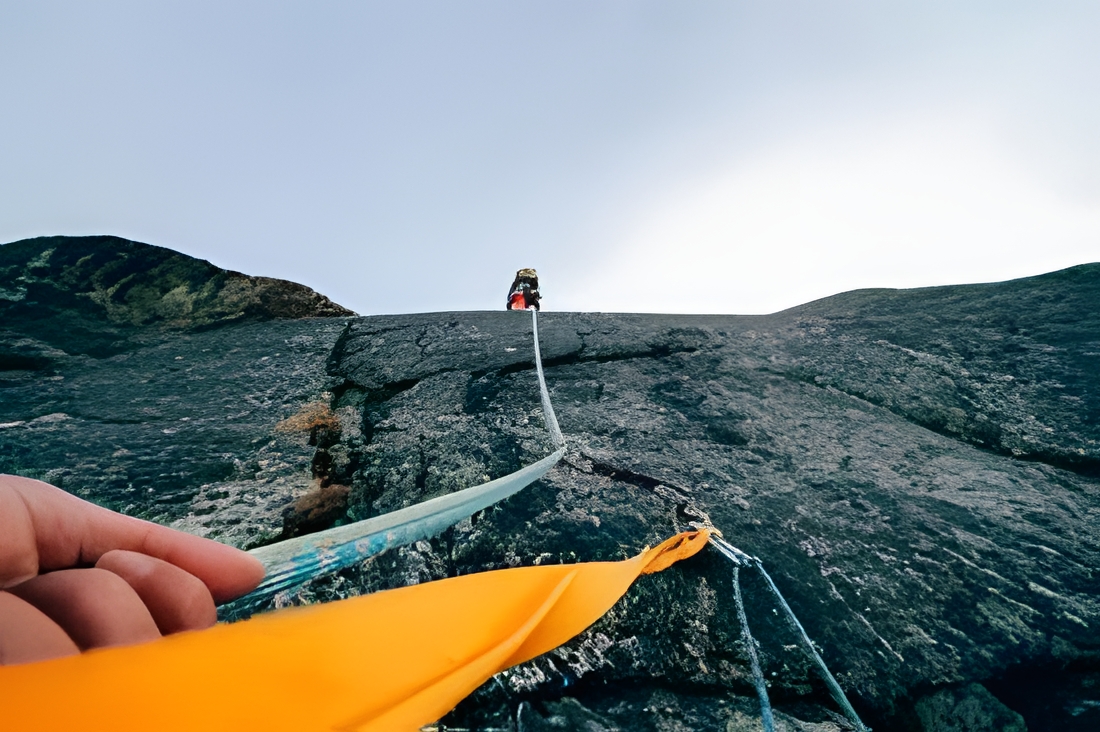

The climbing gym was your training ground: colorful plastic holds, air‑conditioned comfort, and the security of padded floors. But the real adventure lies outdoors, where rock texture, weather, and commitment create a completely different experience. Transitioning from gym to crag is a rite of passage—and with the right preparation, it can be exhilarating rather than intimidating.
Start by choosing a beginner‑friendly destination. Places like the Red River Gorge in Kentucky, Smith Rock in Oregon, or Kalymnos in Greece offer well‑bolted sport climbs with easy access. Look for crags with ratings in the 5.5 to 5.8 range; they’re forgiving and often have bolted anchors, allowing you to focus on technique without worrying about gear placement.
The gear list expands beyond your gym harness and shoes. You’ll need a helmet—this is non‑negotiable outdoors, as rockfall and dropped gear are real risks. A sport climbing rack includes a rope (ideally 70 meters for versatility), quickdraws (at least 12 for longer routes), a personal anchor system (PAS) or slings, and a belay device that works well with a thicker, outdoor rope. Learn to tie a figure‑eight follow‑through knot blindfolded; it’s your lifeline.
Cleaning a route—removing quickdraws and rappelling or lowering—is the skill that most gym climbers underestimate. Never lower off a fixed anchor without understanding the local ethics. In many areas, you must thread the rope through the anchor rings and rappel, or use a “lower‑off” chain. Practice cleaning on a top‑rope setup with a knowledgeable mentor before leading outside.
Ethics differ from the gym. Chalk: use it sparingly and avoid “chalk bombing” the rock; white marks linger for years. Approach trails: stick to established paths to prevent erosion. And crucially, learn to differentiate between bolted sport routes and traditional (trad) climbs. Pulling on gear you don’t understand is dangerous—if you see cracks with no bolts, it’s likely a trad route best left to experienced climbers.
Weather and rock conditions matter. Don’t climb on wet sandstone (common in the Red River Gorge) because it becomes brittle and can break. Check local forecasts; afternoon thunderstorms can turn a fun day into a lightning hazard. Always plan your descent before you start climbing, and carry a headlamp in case you’re out later than expected.

Finally, find a mentor or hire a guide for your first few outings. An American Mountain Guides Association (AMGA) certified guide can teach you anchor cleaning, rope management, and risk assessment in a controlled environment. If you go with friends, be honest about your experience level. Communication is key—agree on commands (“take,” “slack,” “off belay”) before you leave the ground.
Climbing outside transforms the sport from a workout into an adventure. The texture of real rock, the exposure, and the satisfaction of finishing a route you walked up to will hook you. Take it slow, respect the stone, and soon you’ll wonder why you ever climbed plastic.

