

Upward Bound: Mastering Multi‑Pitch Climbing with Confidence

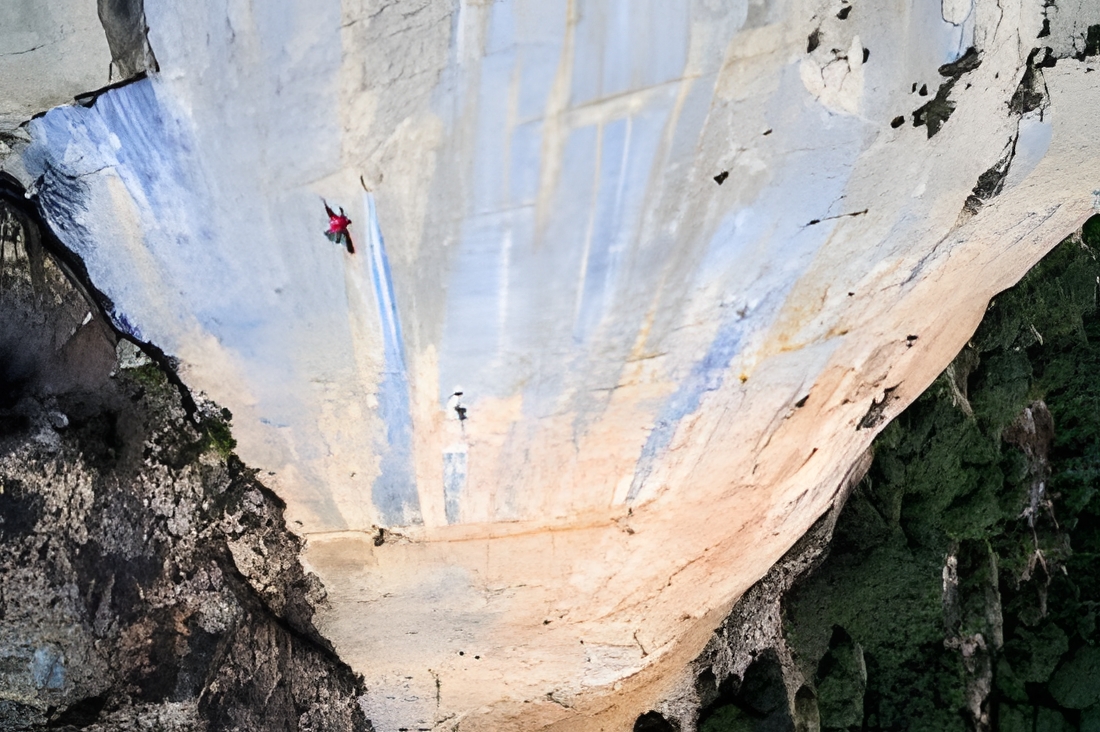

Multi‑pitch climbing is where rock climbing becomes mountaineering. It’s the art of ascending a wall in multiple rope lengths, stopping at intermediate belay ledges to bring your partner up, repeating until you reach the summit. The shift from single‑pitch crag to multi‑pitch requires a new mindset: efficiency, communication, and a systematic approach to gear management.
Your first multi‑pitch should be a classic, well‑trodden route with bolted belay stances and a straightforward descent. Cathedral Peak in Yosemite, The Old Man of Hoy in Scotland, or the West Ridge of Forbidden Peak in Washington are excellent learning grounds—provided you go with an experienced partner or guide. The goal isn’t to push grades but to build systems.
Gear management starts on the ground. Organize your rack so that you can grab the right piece without fumbling. Many climbers use a “gear sling” worn cross‑body, with cams and nuts arranged by size. Alternatively, rack on your harness, placing the most frequently used pieces in front. Before the climb, rehearse transitions: building an anchor, swapping leads, and coiling the rope for the next pitch.
Speed and safety come from mastering the belay stance. At each belay, you must quickly construct a secure anchor (using bolts, gear, or a combination) and then take your partner off belay. Use a personal anchor system (PAS) or a sling to tether yourself directly to the anchor before you unclip from the rope. The mantra “tether, then untether” prevents a fatal fall while unclipping.
Communication is more challenging when wind and distance separate you. Agree on a clear set of commands and use rope tugs sparingly—they can be misinterpreted. A pair of walkie‑talkies or simply loud, repeated calls often work. If you’re out of earshot, a common system is to pull the rope taut to signal “on belay” or “climbing.”
Rope management prevents epic disasters. Never let the rope run free below you—it can snag on flakes or form dangerous loops. Stack the rope neatly in a rope bag or coil it on the ledge between pitches. When leading the next pitch, ensure the rope runs through the anchor without cross‑loading carabiners. Use a “rope stretcher” or a directional piece above the anchor to reduce drag.
Transitioning leads smoothly is a hallmark of a seasoned multi‑pitch team. If you’re swapping leads, the second climbs to the anchor, then organizes the rope while the first prepares the rack for the next pitch. Practice the “leading from the top” scenario, where the same leader does multiple pitches—this requires the second to tie in to the end of the rope and be belayed from above.

Mental preparedness is as important as technical skill. Multi‑pitch routes often involve exposure, loose rock, and route‑finding puzzles. Carry a printed topo (weatherproofed) and a headlamp for each person—descending in the dark is common. Know how to retreat; bring a few extra slings and carabiners to leave as “bail tat” if you need to rappel early.
Multi‑pitch climbing unlocks a world of adventure. The summit feels earned after hours of teamwork and problem‑solving. Master the basics, stay organized, and you’ll find yourself looking up at bigger walls with excitement, not fear.

