

Wilderness with Little Ones: A Parent’s Guide to Stress‑Free Family Camping

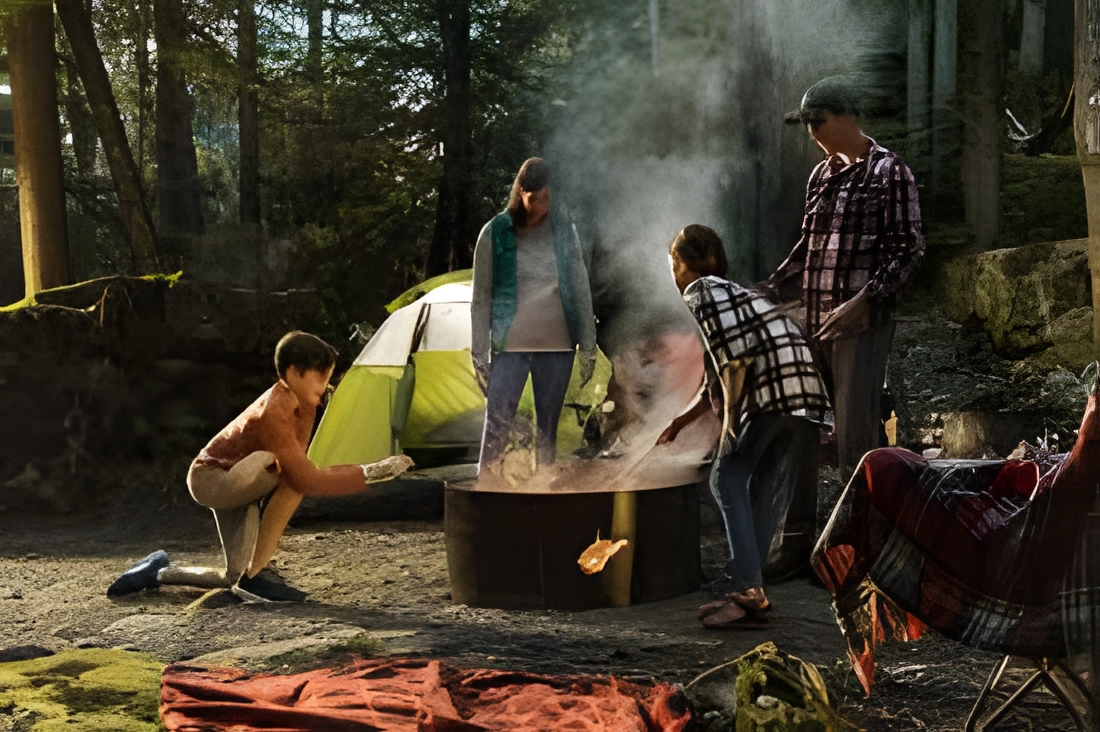

Introducing children to the outdoors is one of the greatest gifts you can give—but the thought of tent flaps, bedtime meltdowns, and endless “I’m tired” complaints can make even seasoned parents hesitate. The secret to successful family camping is to lower your expectations, raise your organization, and choose destinations that cater to short legs and short attention spans.
Choose the right basecamp. For first trips, select a developed campground with amenities: flush toilets, potable water, and a short walk to the car. National Park campgrounds like Grand Teton’s Colter Bay or Joshua Tree’s Jumbo Rocks offer reserved sites and easy access to kid‑friendly trails. Private campgrounds with playgrounds and planned activities can ease the transition. Once you’ve built confidence, graduate to more primitive sites.
Gear strategies make or break the trip. Instead of trying to carry everything, embrace car camping’s luxury: bring a wagon to haul gear and tired kids, a large tent that allows standing room (and a place for rainy‑day games), and comfortable sleeping pads—children feel cold more easily, so add a closed‑cell foam pad beneath their sleeping bag. A simple “stuff sack per person” system (each family member has their own color‑coded sack with clothes, headlamp, and personal items) keeps chaos at bay.
Food is entertainment. Pre‑cook meals at home and reheat them on a camp stove to avoid complex cooking when everyone is hungry. Let kids assemble their own foil packet meals (veggies, sausage, potatoes wrapped in foil) to cook in the coals—they’ll eat what they made. Stockpile shelf‑stable snacks like fruit pouches, crackers, and cheese sticks in a separate “snack bin” that stays in the car to avoid attracting wildlife.
Trail selection requires a mindset shift. Aim for trails with a high reward‑to‑effort ratio: waterfalls, caves, lakes with skipping stones, or interpretive boardwalks with nature activities. A half‑mile loop feels like a grand adventure to a four‑year‑old. Use games like “first person to spot a squirrel” or “collect five different leaves” to keep momentum. Carry a “kid pack” with a change of clothes, more snacks than you think necessary, and a portable potty (like a folding toilet seat with bags) for emergencies.
Manage sleep and safety. Darkness falls early in camp, but kids may struggle to settle. Bring familiar bedtime items: a favorite stuffed animal, a small nightlight, and earplugs for you (you’ll still hear them, but less noise will help you relax). Before you arrive, practice setting up the tent in the backyard so it feels familiar. Wildlife safety starts with education: teach kids to never run from a coyote or bear, and to make themselves big if an animal approaches. Store all food and scented items in a locked car or bear locker—raccoons and bears have an uncanny ability to open zippers.
Embrace imperfection. Your perfect itinerary will be derailed by a sudden thunderstorm, a scraped knee, or a child who decides they hate marshmallows. Have a “rainy day box” with card games, a magnifying glass, and a tarp to create a shelter. Lower your pace to half of what you’d do as adults. The goal isn’t to bag summits; it’s to create a memory of togetherness.
Family camping isn’t about instilling a love of the outdoors in one trip—it’s about many small, positive experiences that accumulate. When you let your kids lead, set the pace, and share in the chores (collecting sticks for the fire, hanging the lantern), they become invested. Years later, they’ll remember not the gear failures, but the glow of the campfire and the sound of your voice reading stories under the stars.

