

The Return of the Cape: Indo‑Western Red Carpet

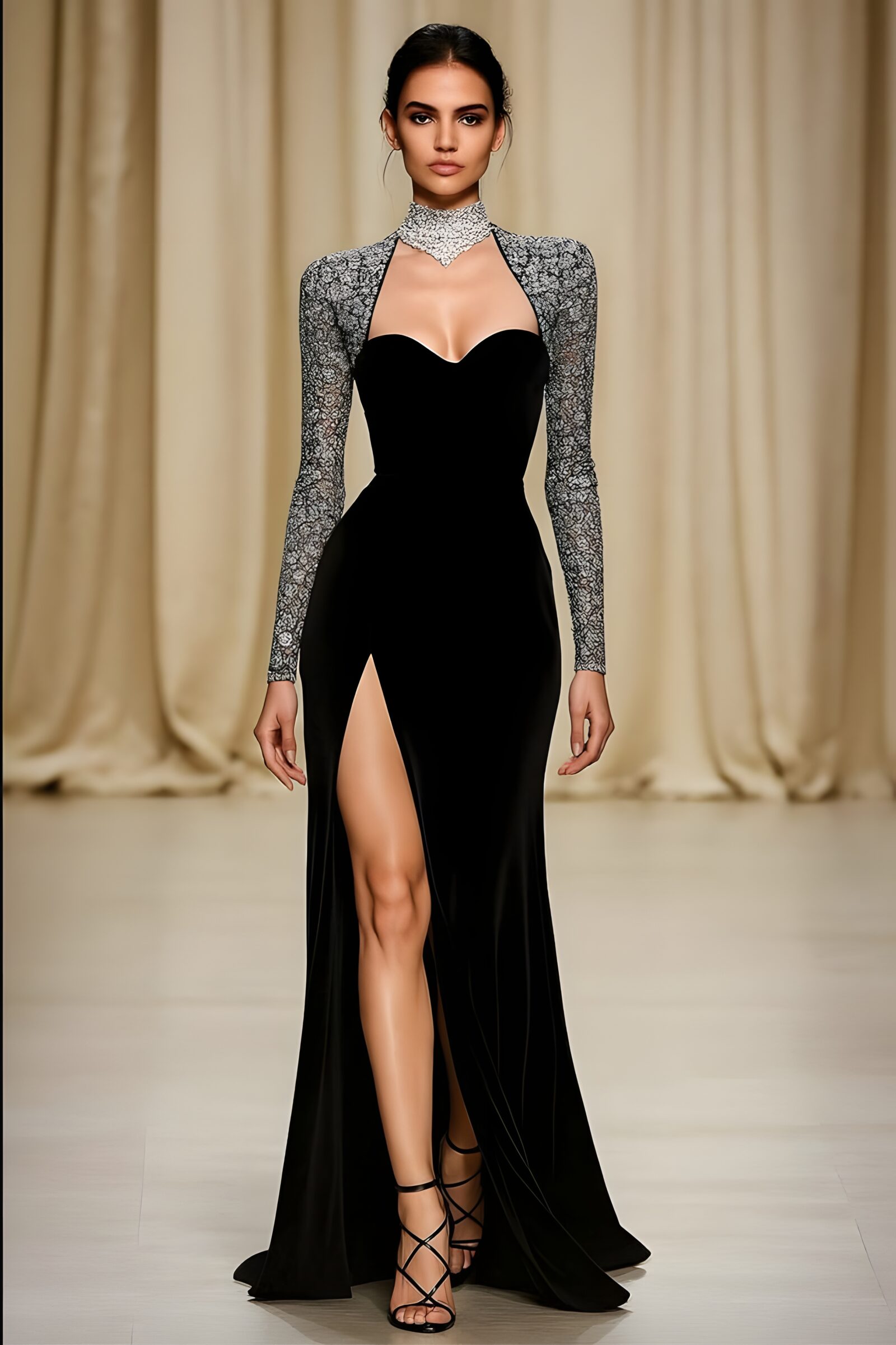

The cape, once associated primarily with medieval royalty and superhero iconography, has reemerged as one of the most dramatic and versatile garments in contemporary Indo‑Western fashion. Its return is particularly evident on red carpets, at destination weddings, and in high‑profile celebrations where the desire for grandeur meets a preference for structured elegance. Unlike the traditional dupatta—which is often draped, pinned, and prone to slipping—the cape offers a sculptural alternative that adds drama without the fuss. Designers are crafting capes in everything from sheer organza to velvet, embellished with zardozi, mirror work, or subtle metallic threads, and styling them over lehengas, gowns, and even tailored pantsuits.
The appeal of the cape lies in its ability to transform an outfit instantly. A simple silk lehenga, when paired with a floor‑length cape in embroidered net, becomes red‑carpet worthy. A sleek column gown gains architectural interest with a hooded cape that drapes over the shoulders. The cape can be detached, offering two looks in one—a practical consideration for long events. Its silhouette varies widely: some capes are fitted at the shoulders and flare out dramatically; others are cut as full circles that swirl with movement; still others are asymmetrical, covering one shoulder while leaving the other bare.
Fabric and craftsmanship are central to the cape’s allure. Sheer organza allows for intricate zardozi embroidery to be seen from both sides, creating a luminous effect. Velvet capes in jewel tones—emerald, burgundy, navy—evoke a sense of regal opulence, especially when paired with gold or silver thread work. For a more contemporary look, designers are using metallic mesh or recycled sequins, creating capes that catch light with every movement. The craftsmanship often incorporates traditional techniques like gota patti, aari work, or even hand‑painted details, ensuring that each piece is a work of art.
Styling a cape requires careful consideration of proportions. Because the cape adds volume to the upper body, the outfit underneath is often kept sleek—a well‑fitted blouse with a lehenga, or a streamlined gown. Jewelry is usually minimal; the cape itself serves as the statement. A pair of statement earrings or a single cuff bracelet is often sufficient. Hair is typically styled in a sleek updo to keep the focus on the neckline and shoulders, though some opt for loose waves to soften the look.
The trend also carries cultural resonance. The cape has historical precedents in Indian royal attire—the angarkha, the peshwaz, and various forms of cloaks worn by nobility. By modernizing this silhouette, designers are tapping into a sense of heritage while presenting it in a format that feels fresh and globally relevant. This fusion appeals to brides and event attendees who want to honor tradition without appearing dated.
Moreover, the cape offers a solution to the perennial challenge of the dupatta. For many, the dupatta can feel like an afterthought—an accessory that must be managed throughout an event. The cape, by contrast, is an integral part of the garment; it is designed to stay in place, allowing the wearer to move freely. This practicality, combined with its undeniable drama, has made it a favorite among celebrities and fashion influencers.
As designers continue to experiment with lengths, materials, and closures, the cape is evolving beyond special occasions. Shorter, lightweight capes are appearing in semi‑formal wear, layered over kurtas or even Western dresses. The trend shows no signs of fading; if anything, it is expanding as consumers seek garments that offer both visual impact and ease of wear. In the landscape of Indo‑Western fashion, the cape has secured its place as the ultimate symbol of modern royalty.

