

Gender‑Fluid Layering: Kurta Shackets & Sarong Trousers

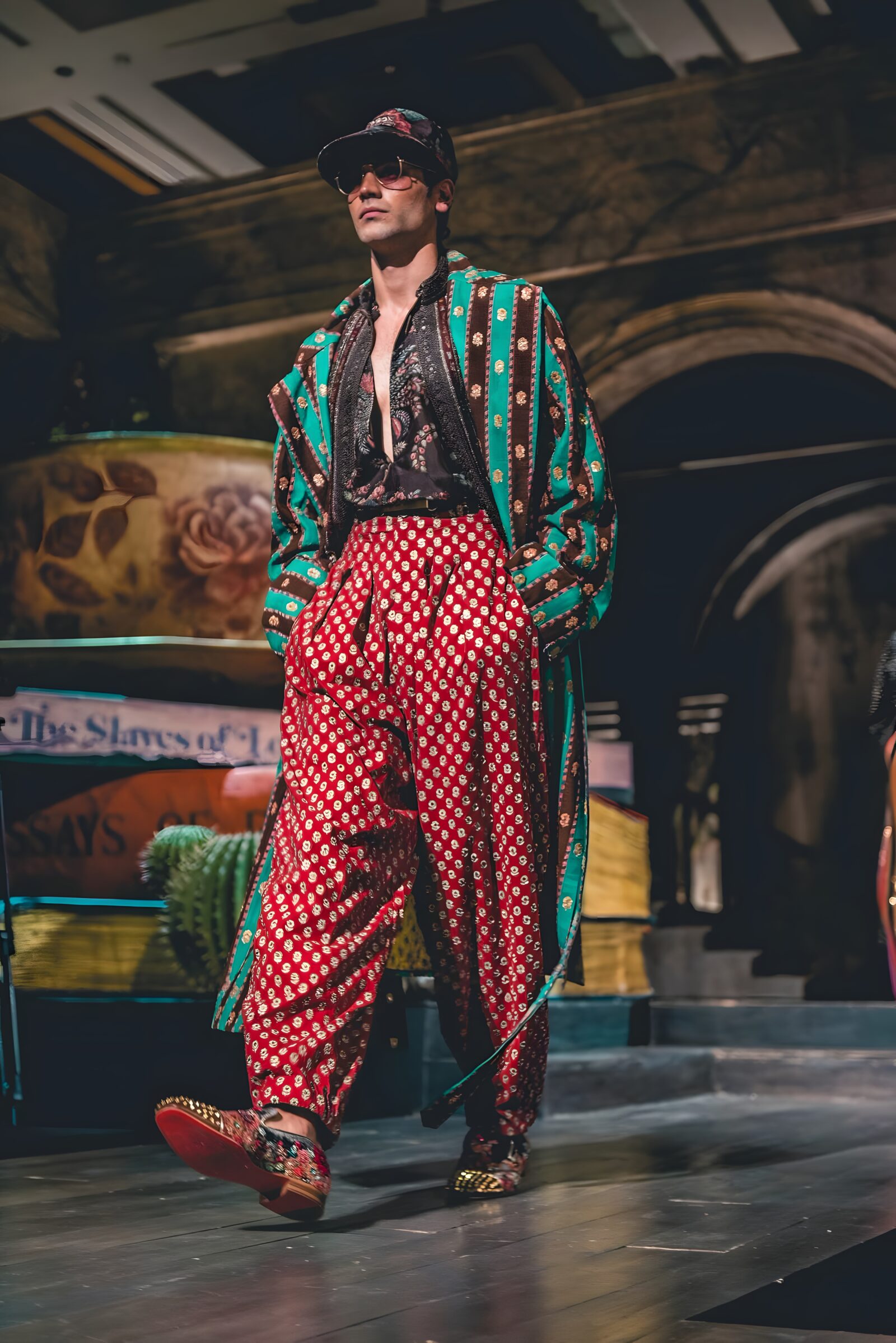

Fashion is increasingly moving beyond binary categories, and one of the most exciting developments in this space is the rise of gender‑fluid layering that merges Indian and utilitarian influences. At the forefront are two key pieces: the kurta shacket (a hybrid of a kurta and a shacket, or shirt‑jacket) and sarong trousers (flowing, wrap‑style pants that draw from Southeast Asian and Indian draping traditions). These garments are designed to be worn by anyone, regardless of gender, and they prioritize functionality, comfort, and a relaxed yet polished aesthetic.
The kurta shacket is essentially a longer, structured shirt that can be worn open as a light jacket or buttoned as a tunic. Made from fabrics like khadi, handloom cotton, or even recycled denim, it combines the cultural resonance of the kurta with the utility of Western workwear. It often features large patch pockets, a relaxed fit, and a length that hits mid‑thigh. Worn over a simple T‑shirt and sarong trousers, it creates an outfit that is effortlessly stylish and entirely gender‑neutral. The beauty of the kurta shacket lies in its versatility: it can be dressed up with tailored trousers and loafers or dressed down with shorts and sneakers.
Sarong trousers, on the other hand, are a modern reinterpretation of draped lower garments like the dhoti, lungi, and sarong. They are typically made from lightweight, breathable fabrics—linen, cotton, or Tencel—and feature a wrap‑around design with a tie closure. Unlike fitted trousers, they offer freedom of movement and a silhouette that flatters a range of body types. When paired with structured tops—like a tailored blazer or a crisp kurta shacket—they create a balanced look that feels both grounded and avant‑garde.
This trend is deeply rooted in the principles of slow fashion and sustainability. Many pieces are produced in small batches by artisans who specialize in traditional handloom weaves or natural dyeing. The emphasis is on quality materials and timeless design, rather than seasonal trends. Garments are designed to be mixed and matched, encouraging a minimalist wardrobe where each piece serves multiple purposes.
Styling gender‑fluid layering requires an understanding of proportion. Because the pieces are often relaxed, it’s important to create visual balance—for example, pairing a loose kurta shacket with tapered sarong trousers, or cinching a long shacket with a belt to define the waist. Footwear choices range from handcrafted leather sandals to chunky sneakers, reflecting the wearer’s personal style. Accessories are kept functional: canvas totes, cross‑body bags, and perhaps a single piece of jewelry like a silver cuff or beaded necklace.
The cultural implications of this trend are significant. In a country where clothing is often heavily gendered, gender‑fluid fashion offers a liberating alternative. It challenges the notion that Indian garments like kurtas are inherently masculine or feminine, instead celebrating them as versatile forms that can be adapted by anyone. It also aligns with a global movement toward inclusivity in fashion, where brands are increasingly offering unisex collections and featuring diverse models.
Looking ahead, the kurta shacket and sarong trousers are likely to become wardrobe staples for those who value comfort, sustainability, and personal expression. As more designers embrace gender‑neutral sizing and modular design, these pieces will continue to evolve. They represent a future where fashion is less about conforming to categories and more about individual creativity—a future where the most stylish thing you can wear is the confidence to dress exactly as you please.

