

Solitude in the Desert: The Art of Dispersed Camping in the Southwest

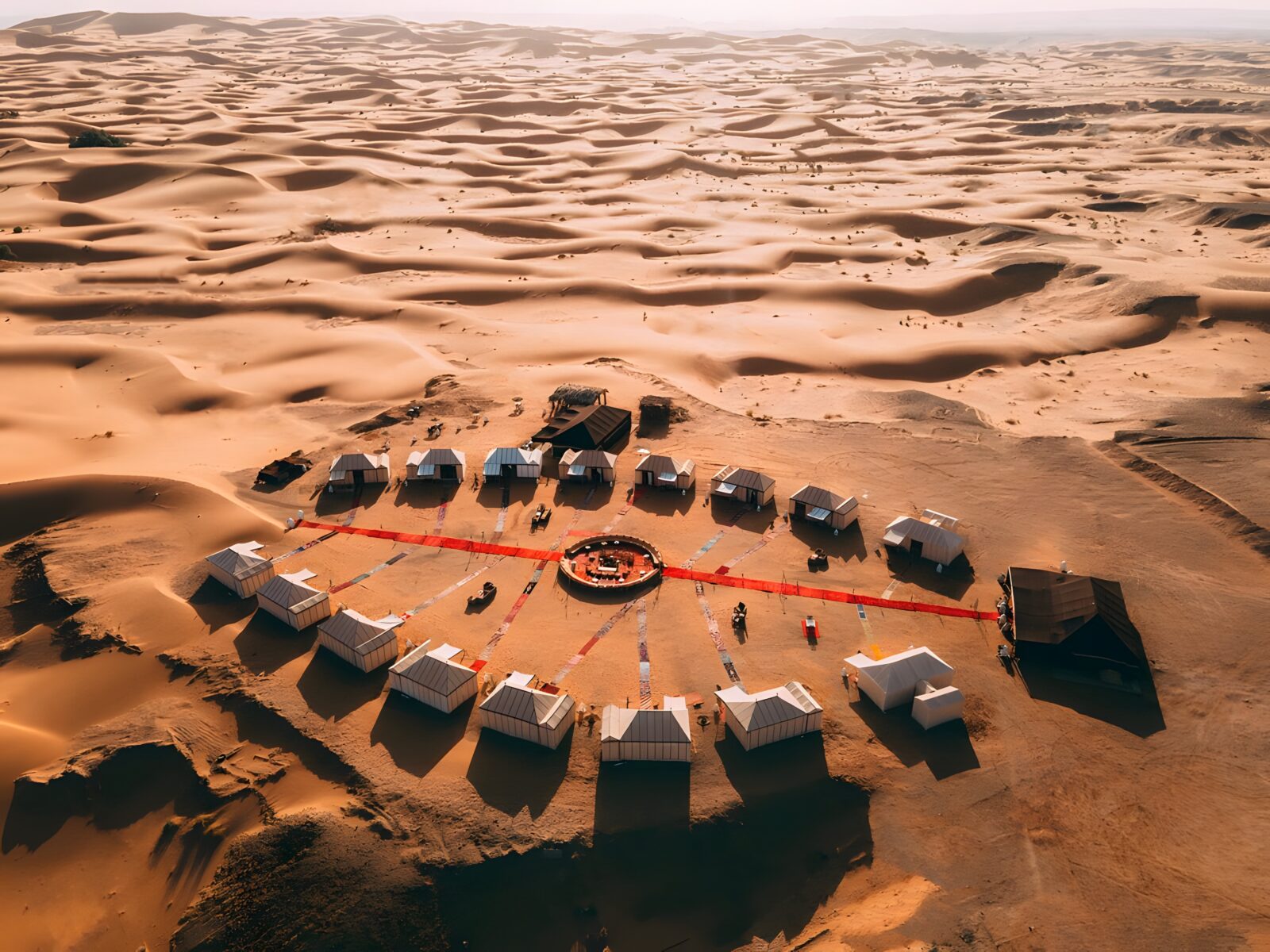

There’s a certain magic in waking up to a sunrise that paints the canyon walls gold, with no neighbors in sight, no generator hum, no reservation slip tacked to a post. This is the promise of dispersed camping—the freedom to pitch your tent on public lands, miles from the nearest developed campground. In the American Southwest, the Bureau of Land Management (BLM) and national forests offer a vast playground for those willing to trade amenities for solitude.
Dispersed camping, often called “boondocking,” is essentially primitive camping outside designated sites. In places like Utah’s Grand Staircase‑Escalante National Monument, Arizona’s Sonoran Desert, or California’s Alabama Hills, you can pull off a dirt road and set up camp as long as you follow a few rules. The first rule: look for existing fire rings and camp on durable surfaces (gravel or slickrock) to avoid scarring the fragile cryptobiotic soil crust.
Water is the paramount concern. In the desert, never assume a stream will be flowing. Carry all the water you’ll need—at least a gallon per person per day. A reliable water jug with a spigot, plus a backup filter like a Sawyer Squeeze for emergencies, is essential. Plan your route so that you can refill at towns like Moab, Kanab, or Bishop before heading deep into the backcountry.
Leave No Trace takes on extra weight in the arid Southwest. Human waste must be packed out or buried in a cathole at least six inches deep and 200 feet from any road or wash. Toilet paper? Pack it out. The desert’s slow decomposition means even a small piece of trash can linger for decades. Bring a wag bag (portable toilet system) for areas with no soil, like the Maze District of Canyonlands.
Finding a legal spot requires a bit of research. Download offline maps via apps like Gaia GPS or the official BLM maps. Look for “open camping” zones; stay on existing roads and avoid blocking access gates. The best sites often lie on well‑graded gravel roads, but a high‑clearance vehicle opens up more remote options. Always check fire restrictions—during summer, campfires are often banned, so a propane stove is your safest bet.
Sun and wind are your constant companions. A sturdy tent with good stakes (or sand anchors) is non‑negotiable. Set up camp with a tarp for shade and orient your tent to block prevailing winds. Lastly, embrace the darkness: the desert nights offer some of the darkest skies in the country, so bring a star chart and prepare for an astronomical show.
Dispersed camping isn’t about roughing it—it’s about reconnecting. When you camp far from the crowds, you learn to rely on your own resourcefulness. And when you wake up to that silent, painted sky, you’ll understand why the desert calls travelers back, year after year.

