

Pack Light. Climb High.

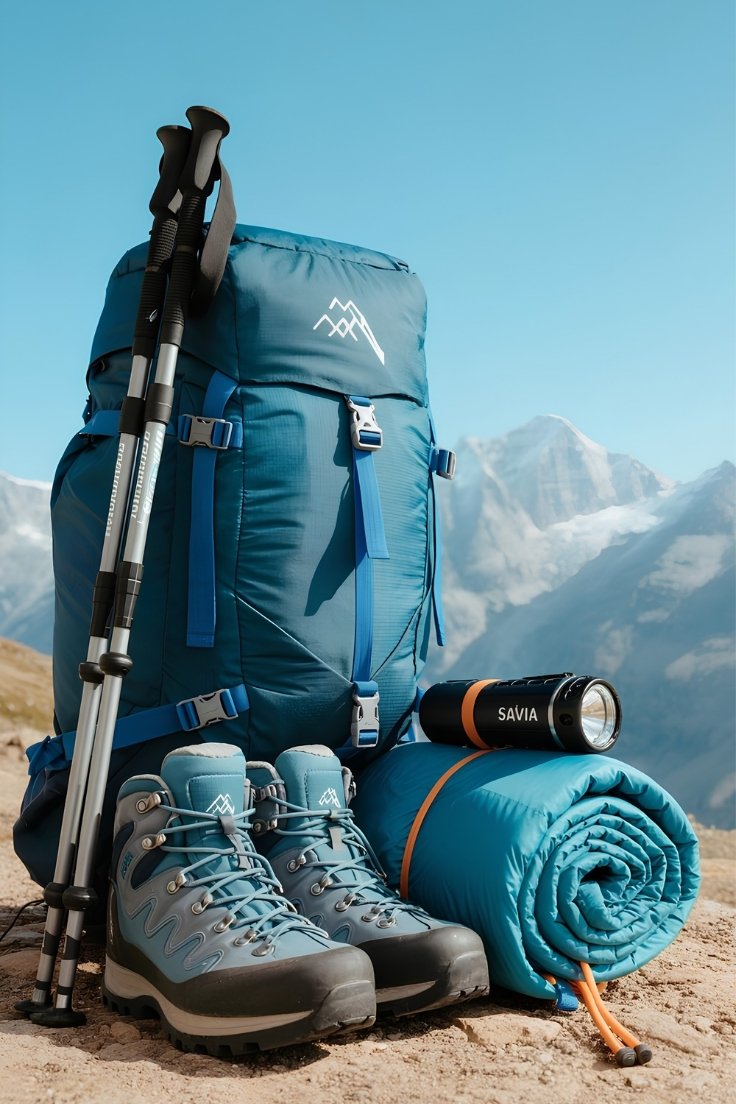

The mountains are calling—but a great adventure begins long before the first step.
There is something magnetic about the mountains. The crisp air, dramatic landscapes, winding trails, and the promise of a distant summit make mountaineering an unforgettable escape from everyday life. But behind every memorable climb is smart preparation—and the right backpack.
Start with the Trail
Every mountain has its own personality. Some offer gentle trails through forests, while others demand endurance, technical skills, and experience at high altitude. Choose a route that suits your fitness and experience, and research its terrain, weather, permits, altitude, and available facilities before setting off.
The Art of Packing Light
A mountaineer’s backpack is a lesson in simplicity. Carry only what you genuinely need. Lightweight, weather-resistant clothing, sturdy footwear, a sleeping bag, shelter, navigation tools, a headlamp, first-aid supplies, sunscreen, and personal essentials should form the foundation of your kit.
Think in layers rather than bulky clothing. Temperatures can shift dramatically as you gain altitude, so breathable base layers, insulating mid-layers, and a waterproof outer shell can offer flexibility without weighing you down.
Fuel for the Climb
Mountains demand energy. Pack compact, nutritious foods such as nuts, dried fruit, energy bars, sandwiches, and easy-to-prepare meals. Water is equally important. Carry enough for your route and use a suitable purification method when collecting water from natural sources.
Expect the Unexpected
Mountain weather rarely follows a convenient schedule. Clear skies can turn into rain, strong winds, or snow surprisingly quickly. Check forecasts before leaving, but never rely on them completely. A waterproof pack cover, extra layers, emergency shelter and backup navigation method can make a significant difference.

Leave Only Footprints
Adventure should never come at nature’s expense. Carry out every piece of waste, respect wildlife, avoid unnecessary damage to vegetation, and follow local camping and trail regulations. The goal is to experience the mountain without leaving a permanent mark.
Go Beyond the Gear
Good equipment helps, but knowledge matters just as much. Learn basic navigation, first aid, weather awareness and altitude safety before tackling demanding routes. For technical climbs involving ropes, glaciers or specialized equipment, professional training and experienced guides are essential.
The mountains reward preparation, patience and respect. So pack wisely, travel responsibly and take the journey one step at a time. The summit may be the destination—but the adventure begins with the backpack on your shoulders.

