

Alone but Not Lost: The Solo Hiker’s Guide to Confidence and Safety

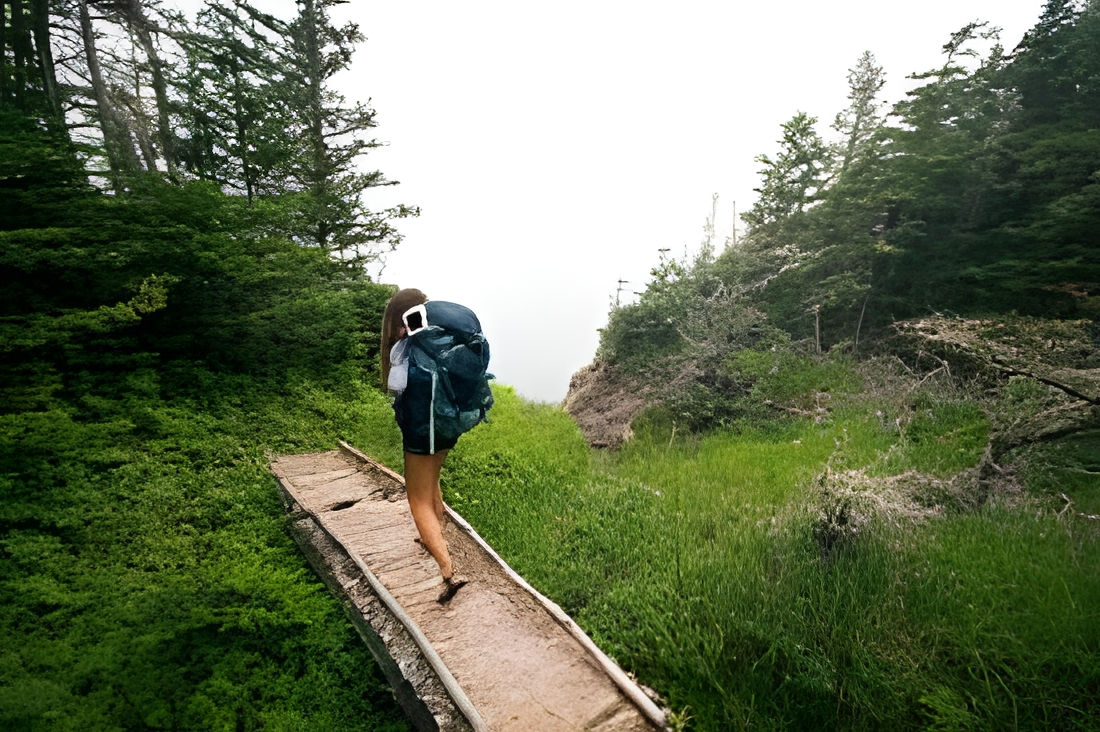

Solo hiking is a paradox: you’re utterly alone, yet never more connected to your own capabilities. The decision to walk a trail without companions is liberating, but it requires a level of self‑reliance that group hiking doesn’t. With the right preparation, solo trekking can be one of the most rewarding ways to experience the wilderness.
The first step is choosing the right trail. Opt for well‑maintained, popular routes where you’ll encounter other hikers periodically. The Inca Trail (with a permit system) and the Tour du Mont Blanc (with frequent huts) are classic solo‑friendly treks. In the U.S., trails like the John Muir Trail section around Thousand Island Lake or the Grand Canyon’s South Kaibab Trail offer a balance of solitude and support. Avoid remote, unmarked routes until you’ve built significant experience.
Navigation becomes your full responsibility. Carry a physical map and compass—and know how to use them. A GPS device like a Garmin inReach is invaluable; it allows you to share your location with a trusted contact and summon help if needed. Before departing, leave a detailed trip plan with someone reliable: where you’re starting, your intended route, and your estimated return time.
Your gear list should include redundancies. Pack an extra day’s worth of food, a headlamp with spare batteries, and a lightweight emergency shelter (e.g., a bivy sack or space blanket). A basic first‑aid kit tailored to your skills—including blister care, antiseptic, and any personal medications—is non‑negotiable. Consider carrying a whistle and a signaling mirror; they weigh little but can be lifesavers.
Psychologically, solo hiking can be challenging. The absence of distraction amplifies every creak of a tree and every anxious thought. Build confidence by starting with shorter day hikes, gradually increasing distance and complexity. Learn to distinguish between genuine danger (e.g., worsening weather) and normal discomfort (e.g., a steep section that tires your legs). A mantra like “I’ve prepared for this” can quiet the mind.
Wildlife encounters require calm, rational responses. On bear‑country trails, carry bear spray and know how to use it—it’s more effective than a firearm. Make noise at blind corners, and store food properly using bear canisters or hangs where required. For cougars or other predators, make yourself appear large and back away slowly; never run.
Solo hiking also means managing your own pace without external pressure. Stop when you’re tired; take photos as often as you like. Listen to your body: dehydration and fatigue lead to poor decisions. I’ve often found that solo hikes deepen my awareness of subtle details—the shape of a leaf, the angle of the light—that would otherwise be overlooked in conversation.
Finally, embrace the social side of solo travel. In popular trekking areas, you’ll meet fellow hikers at campsites or refuges. A simple “Hello, mind if I join this bench?” can turn a solitary trip into a series of enriching encounters. Solo doesn’t have to mean lonely.
Walking alone in the wilderness teaches you that you are capable, resilient, and enough. With preparation and respect for the trail, the solo path becomes not just safe, but transformative.

