

Luxury or Lightweight: Choosing Your Camping Style in Patagonia


Patagonia demands a decision: do you carry everything on your back and earn every view, or do you sleep in comfort with a roof and a hot meal waiting? Both approaches offer access to the same jaw‑dropping landscapes of Torres del Paine and Los Glaciares, but they represent radically different experiences. Your choice depends on your fitness, budget, and how you define adventure.
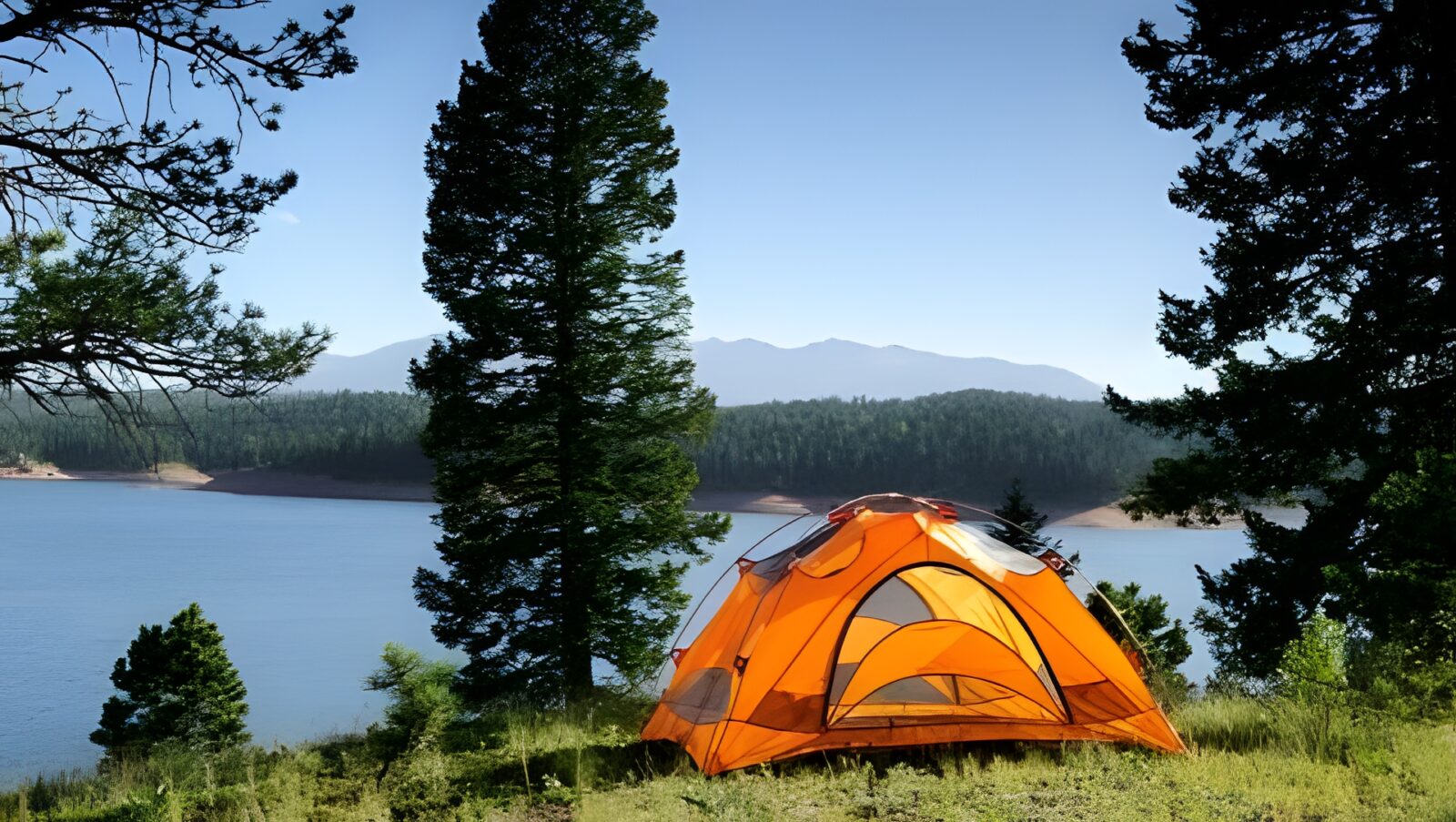
The ultralight approach is synonymous with the “W Trek” or the full “O Circuit” in Torres del Paine. This self‑supported trek requires you to carry a tent, sleeping bag, stove, and all food for five to nine days. The reward is total freedom: you can camp at remote sites like Italiano or Paso, wake up to the sunrise painting the Cuernos del Paine, and feel the satisfaction of carrying your home on your back. Modern ultralight gear—a sub‑2‑pound tent, a down quilt, and a lightweight stove—makes this feasible without crushing your spine. Refugios along the trail sell basic supplies, but you’ll need to book campsites (both CONAF and private) months in advance during peak season (December–February).
For those who prefer to conserve energy for day hikes, glamping or staying in refugios offers a different kind of magic. Refugios in Torres del Paine are mountain lodges with bunk beds, hot showers, and meals served family‑style. For true luxury, eco‑domes near the park—like those at EcoCamp Patagonia or the domes in El Chaltén—provide private accommodations with heating, comfortable beds, and gourmet cuisine. You can trek during the day with just a daypack, covering classic routes like the Base of the Towers or the hike to Laguna de los Tres, then return to relax with a glass of Argentine Malbec.
Your physical preparation should guide your choice. The W Trek involves 10–15 miles per day with up to 3,000 feet of elevation gain. Carrying a full pack on the notoriously windy Patagonian terrain requires excellent fitness. If you’re unsure, consider a hybrid approach: stay in refugios for some nights and camp others, or hire a porter service to transport your gear. In El Chaltén, there are no refugios inside the park, so camping or staying in town are the only options; luxury lodges outside the park offer shuttles to trailheads.
Budget varies wildly. A self‑supported trek can cost around $50–$80 per day for park fees, campsite reservations, and food. Refugio stays run $100–$150 per night with half‑board. High‑end domes or all‑inclusive packages can exceed $500 per night. Reserve early—the best accommodations sell out six months ahead.
Weather is the great equalizer. Patagonia’s infamous winds can hit 100 km/h even in summer. In a tent, you’ll need to stake it with rocks and ensure your poles can flex. In a dome, you’ll sleep soundly while the wind howls outside. Either way, prepare for four seasons in one day: rain, sun, snow, and wind can all appear within an hour.
Ultimately, the best style is the one that gets you into the park. Whether you’re counting grams or counting on a chef, Patagonia’s granite peaks and turquoise lakes will leave you breathless. The key is to match your lodging choice to your comfort level, so that the mountains—not your blisters—become the highlight.

