

Breathing Thin: Mastering Acclimatization on the Everest Base Camp Trek

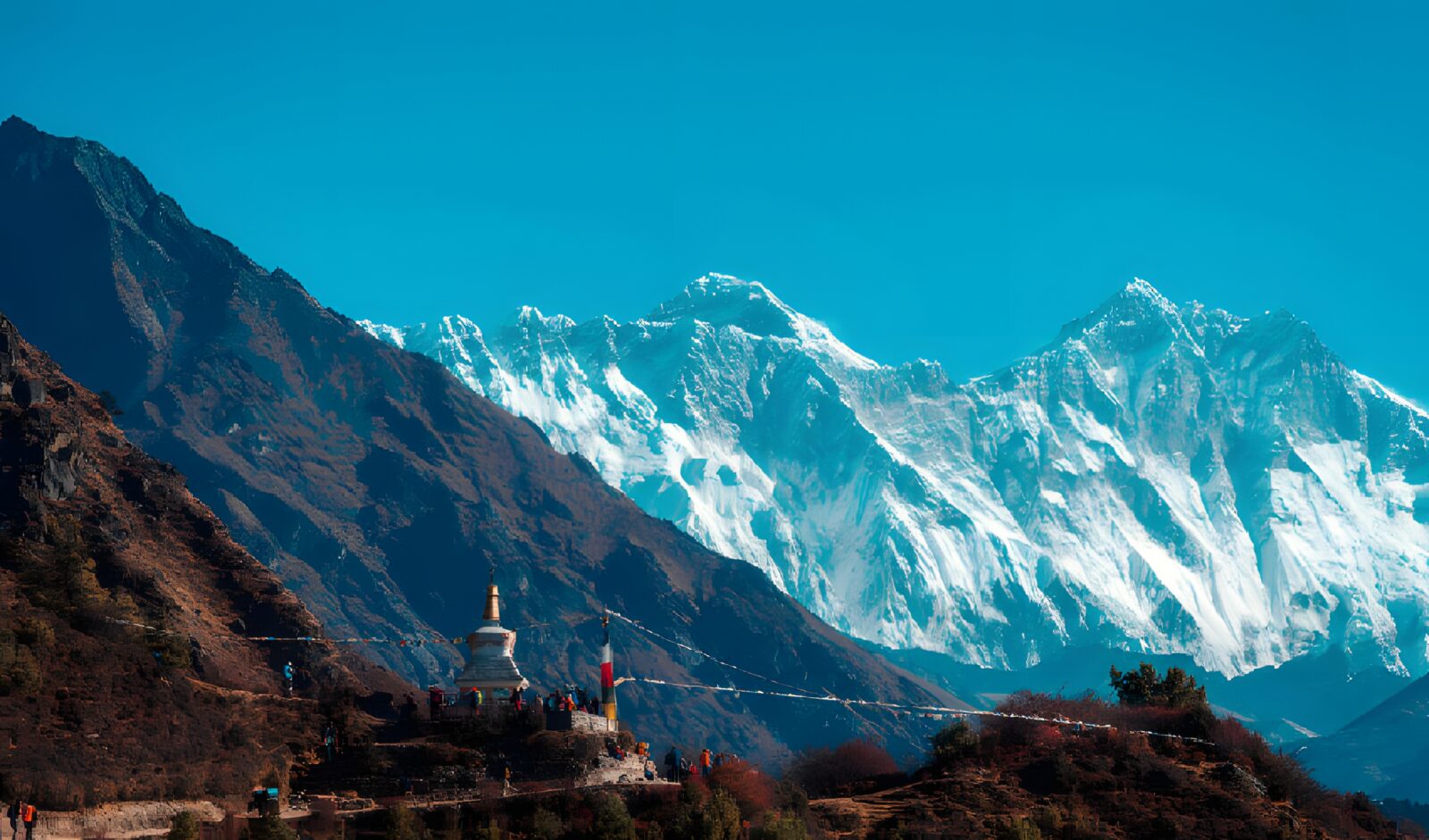

The trail to Everest Base Camp is as much an internal journey as a physical one. Each year, thousands of trekkers set out from Lukla with dreams of standing at the foot of the world’s highest peak, but not all reach their goal. The difference between success and a helicopter evacuation often comes down to one thing: acclimatization.
Altitude sickness doesn’t discriminate. It can fell the fittest athlete while sparing a slower, cautious trekker. The key is to understand that your body needs time to produce more red blood cells to carry oxygen in the thin air above 3,000 meters. On the Everest Base Camp (EBC) trail, the classic itinerary is designed around this principle, yet many still rush.
A typical 12‑day itinerary from Lukla to EBC and back is already a crash course in acclimatization. The crucial days are those with “acclimatization stops”—like Namche Bazaar (3,440 m) and Dingboche (4,410 m). Here, the advice is to “walk high, sleep low.” On the rest day in Namche, hike up to the Everest View Hotel (3,880 m) and then descend back to sleep. The extra elevation gain stimulates adaptation without the risk of staying high too long.
Hydration is your secret weapon. Aim for four to five liters of water per day. Dehydration thickens the blood, making it harder for your heart to pump oxygen. Avoid alcohol and sleeping pills, which suppress respiration. Instead, embrace the local remedy: garlic soup, served in nearly every teahouse, is believed to help circulation and is deliciously warming.
Recognizing Acute Mountain Sickness (AMS) early can save your life. Headache, nausea, dizziness, and disturbed sleep are early signs. The only cure for moderate or severe AMS is immediate descent. Never push someone with AMS to “tough it out.” I’ve seen trekkers stubbornly continue, only to be airlifted days later with pulmonary or cerebral edema.
Beyond the physical, mental acclimatization matters. The trail is a lesson in patience. Set a pace so slow that you could hold a conversation. Use the mantra “climb high, sleep low” on every day hike. On summit day to Kala Patthar (5,545 m), start before dawn, but turn back if symptoms worsen.
Finally, consider diamox (acetazolamide) after consulting your doctor. It can ease symptoms, but it’s no substitute for a slow ascent. The EBC trek isn’t a race; it’s an opportunity to immerse yourself in Sherpa culture, prayer flags, and the rhythm of the mountains. Breathe deeply, listen to your body, and let the Himalayas welcome you at your own pace.

